How Brand Voice Survives AI Content Automation
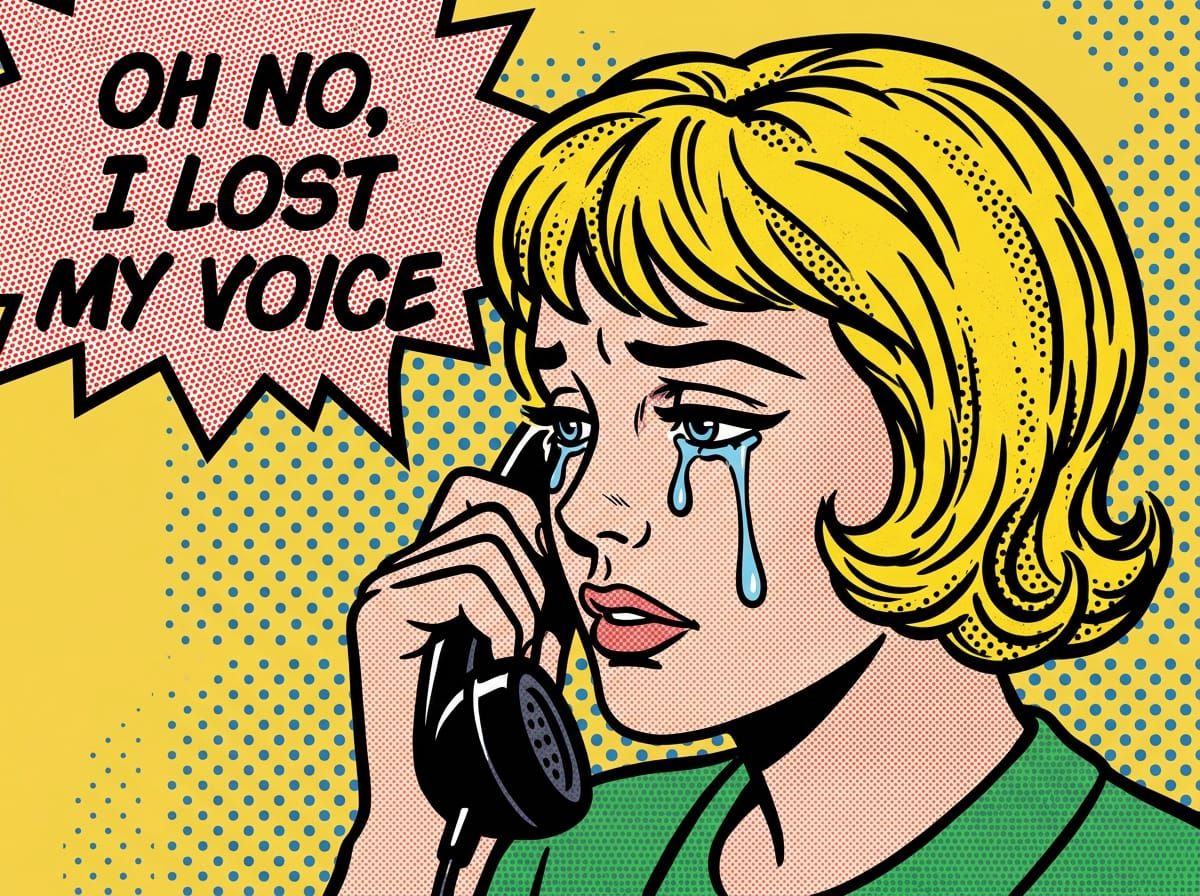
AI now generates over 75% of marketing content. The problem isn't speed, it's that everything is starting to sound the same. When every brand uses the same tools trained on the same internet, the output converges toward a kind of polished, inoffensive, utterly forgettable middle. And sameness is the one thing a brand can't afford.
This is a creative strategy problem. And most brands are not taking it seriously enough.
The stakes are higher than most brands realize
Brand voice has always mattered. But in a world where your competitors can produce content at the same volume and speed as you, voice is one of the last remaining ways to differentiate. Consistent brand presentation can increase revenue by 10 to 20 percent. Yet only about 30 percent of companies actively use their brand guidelines. That gap has always been a missed opportunity and AI makes it a liability.
When customers scroll through a feed where every brand sounds like a variation of the same corporate-friendly assistant, the ones that cut through are the ones that sound unmistakably like themselves. They sound human. When you lose that, you don't just lose aesthetics, you lose trust, and trust is what converts.
What AI actually does to your voice
Generative AI is trained on the average of the internet. That's both its power and its problem. Its default output sounds like everyone else's because, in a very literal sense, it is everyone else's, averaged, smoothed, and made safe.
It produces content that is accurate, well-structured, and completely forgettable. It doesn't have opinions. It doesn't take risks. It avoids the kind of intentional imperfection, the sentence fragment, the provocative question, the unexpected analogy, that makes human writing feel alive. Strong brand voice has always lived in those details. AI, left to its own defaults, irons them out.
And voice drift isn't a one-time failure. It's a slow erosion that compounds every time AI publishes without meaningful oversight. Research shows that pages not refreshed quarterly are three times more likely to lose AI visibility entirely. The content ages, the voice softens, and gradually the brand starts to sound like a press release version of itself.
The real problem is governance
Most marketing teams treat AI like a magic button. Type a brief, get content, publish. The brands that protect their voice treat it differently, more like onboarding a new team member who is fast and tireless, but has no instinct for what makes your brand yours.
That employee needs explicit direction. Examples of what good looks like. Guardrails for what to avoid. And consistent feedback when they drift. The same is true for AI.
You cannot automate brand voice. But you can train AI to respect it. That starts with documentation, not a vague, aspirational brand guide written for humans, but a structured, AI-ready style guide that spells out exactly how your brand sounds. Sentence length preferences. Vocabulary the brand uses and vocabulary it never touches. Tone variations by channel. What the brand is not, written out as clearly as what it is. Without this groundwork in place before AI touches anything, every output requires heavy editing, and most of it won't get it.
Human review is the governance layer that keeps everything else honest. The goal is to redirect editorial talent from production to protection, from drafting to making sure every draft that goes out still sounds like you.
What the brands getting it right are doing differently
The brands winning at this are producing more intentional content. The difference is in how they've structured the relationship between AI and human judgment.
They document voice before AI is involved, not after. They build specific, prompt-friendly guidelines, not adjectives like "professional" or "friendly," but examples, constraints, and explicit rules the machine can apply. They tell AI what to avoid as clearly as what to do. They build approval workflows so no content reaches the public without a human check. And they treat consistency as a metric, not an assumption, tracking whether the output across channels actually sounds like one brand, not five different assistants.
The CMO of Apollo.io described it well: the shift from manual refresh cycles to automated systems wasn't about speed alone. It was about building workflows precise enough to protect tone, structure, and perspective at scale, so the content that went out was not just faster, but truer to the brand.
The irreversible truth
The brands that will win the next decade of content are not the ones who publish the most. They're the ones whose voice is so distinct, so consistent, and so human that customers recognize them without seeing a logo.
That's not something AI can build for you. It's something you have to design deliberately, with clear creative standards, disciplined governance, and the understanding that your voice is not a stylistic preference but strategic asset. In a landscape flooded with generated content, it may be the most defensible one you have.
AI handles the volume while your job is to make sure every word it produces still sounds like you.
_______________
Sources
Yugasa Software Labs — How to Maintain Brand Voice at Scale with AI Contentstack — How Do We Maintain Our Unique Brand Voice When Using AI? AirOps — How to Maintain Brand Voice While Automating Content with AI MarTech — You Can't Automate Brand Voice, But You Can Train AI to Respect It Dream Team Marketing — Marketing in the Age of AI: How to Keep Your Brand Voice Human Impact / Endless Customers Podcast — How to Use AI in 2025 Without Losing Your Brand's Voice ECI Solutions — The Importance of Brand Voice in AI-Generated Content